
Safety Valves
Spring-loaded and pilot-operated pressure relief valves for steam, gas and liquid service, ASME and PED certified, flanged or threaded.
Also known as: pressure relief valve, PRV, PSV, relief valve, safety relief valve.
Your request
Add this to your request. We come back with a quotation or the right part.
We will ask for: Set pressure, Back pressure (constant), Back pressure (variable), Differential set pressure, Cold differential test pressure, Relieving temperature.
Farris Safety Valves
Farris is our brand for safety valves. We take care of sizing, selection, supply, spare parts and service.
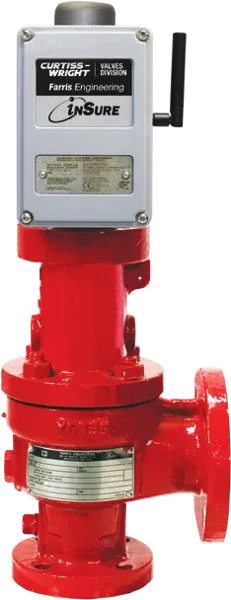
Farris Engineering (Curtiss-Wright) spring-loaded and pilot operated pressure relief valves since 1943: 2600 process valves, 3800 pilot operated, 2700 compact and 2400 small-bore valves, 4200 boiler safety valves and the inSure lift monitor. ASME, National Board and PED certified.
Also supplied

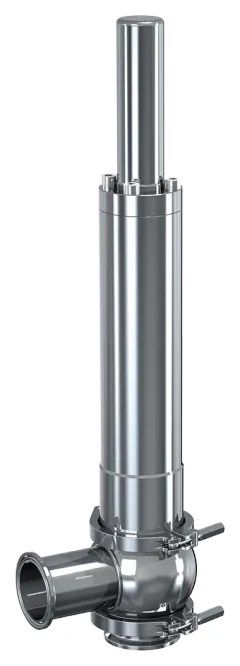
VYC Industrial full lift safety valves for steam, gases and liquids: flanged 496 to DN200, threaded 495, small bronze and stainless 695, 895 and 995 to 144 bar, and the sanitary clamp 694. ISO 4126-1, PED and ATEX certified.
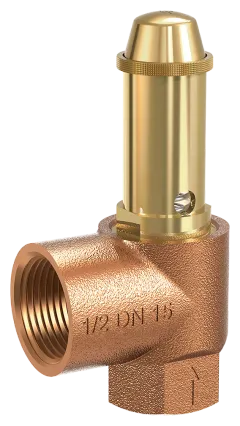
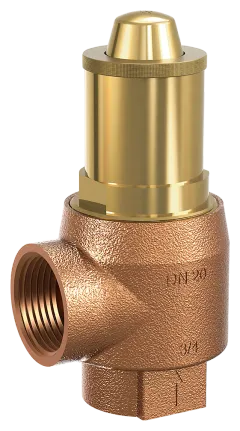
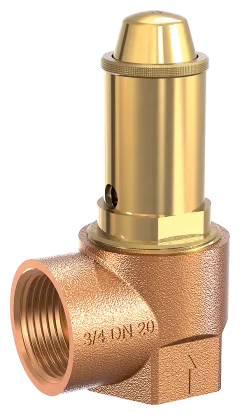
GOETZE KG Armaturen safety valves and pressure regulators in brass and stainless steel for compressed air, gases, steam and liquids.
Models
Farris6
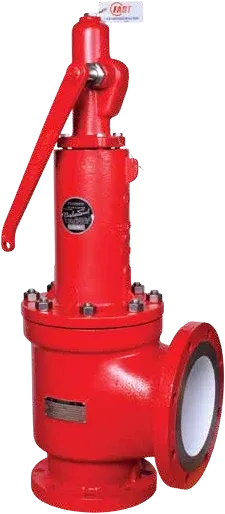
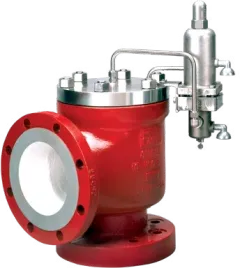
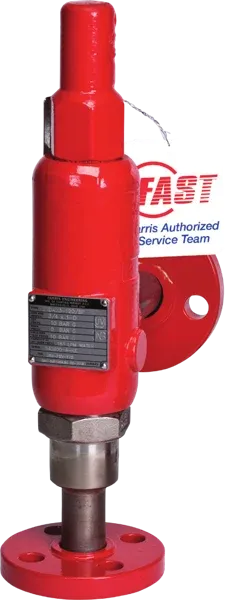
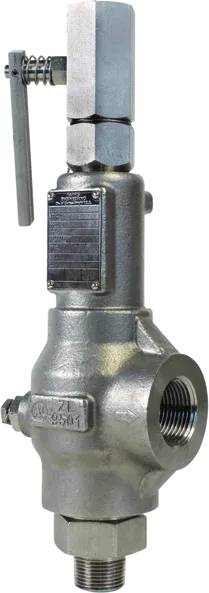
GOETZE39
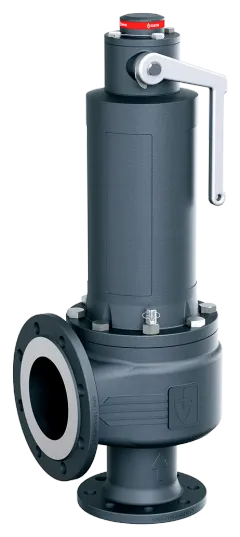
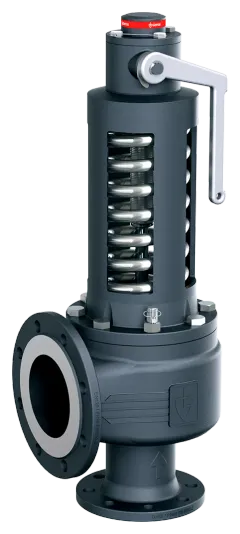
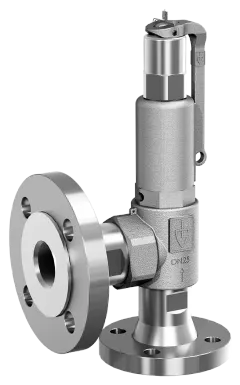
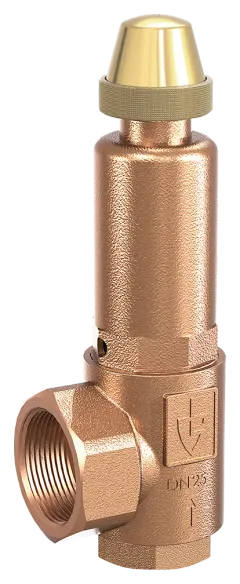
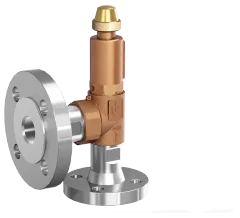
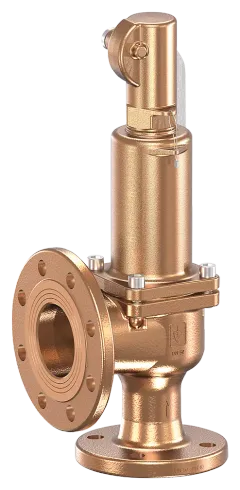
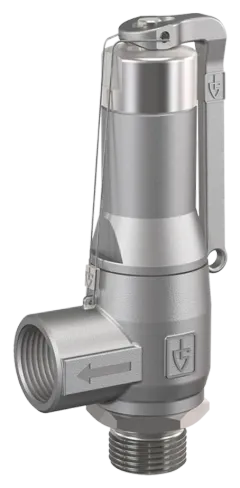
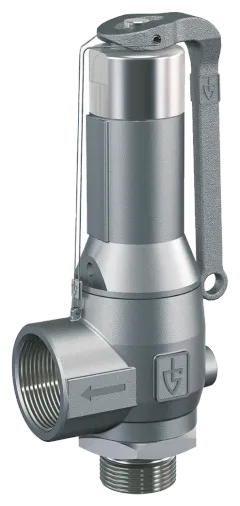
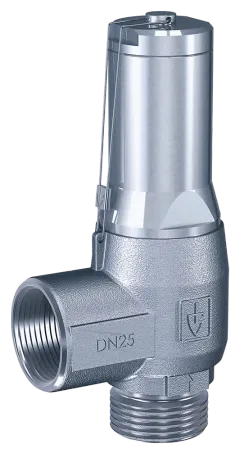
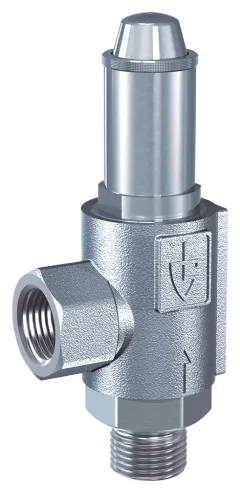
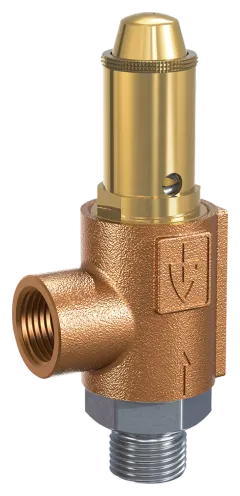
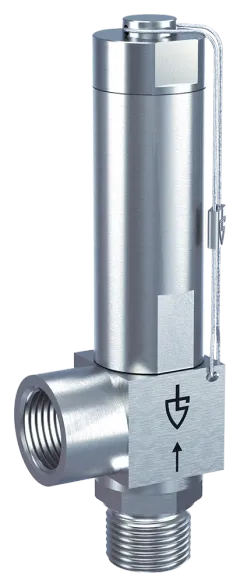
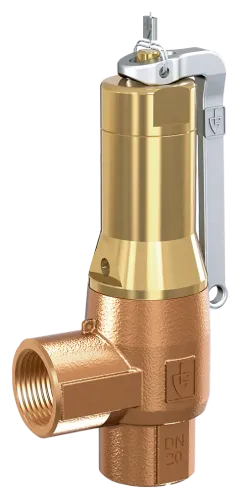
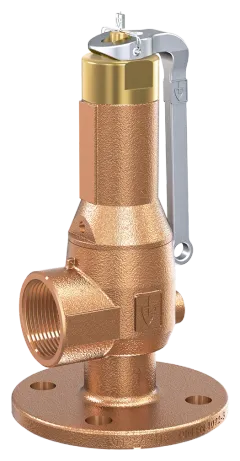
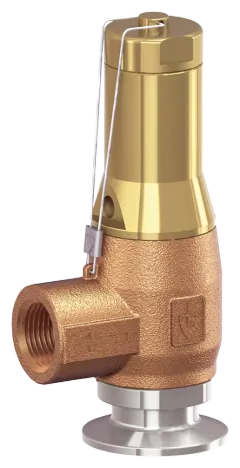
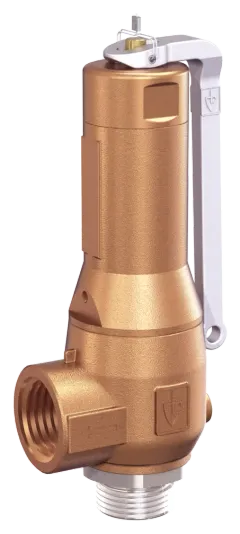
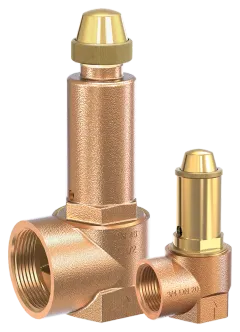
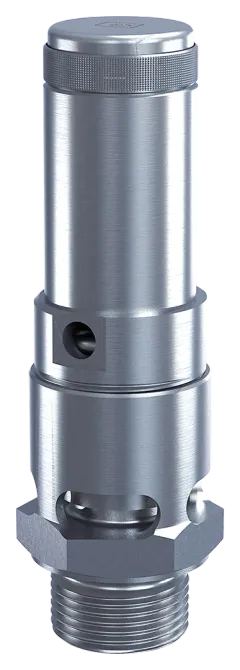
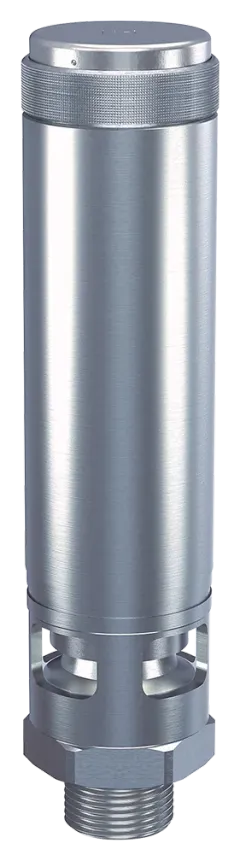
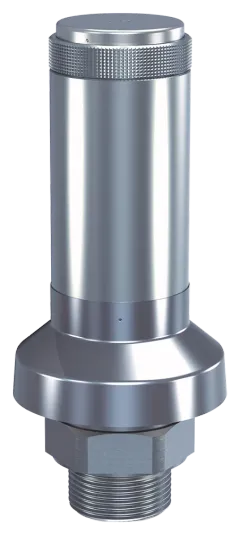
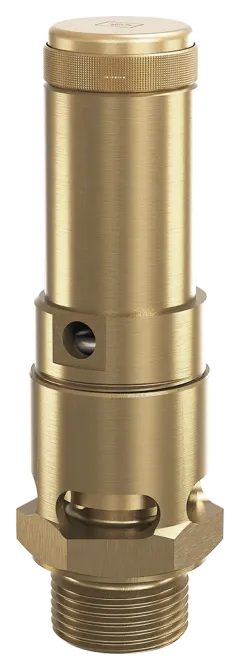
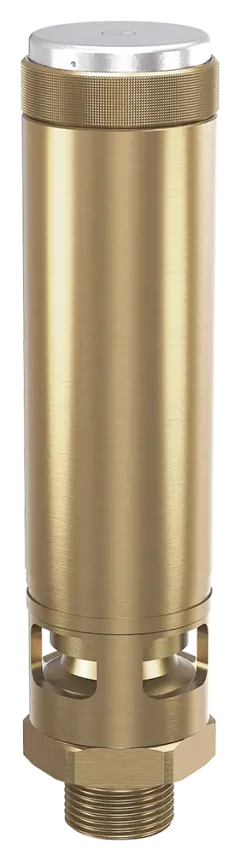
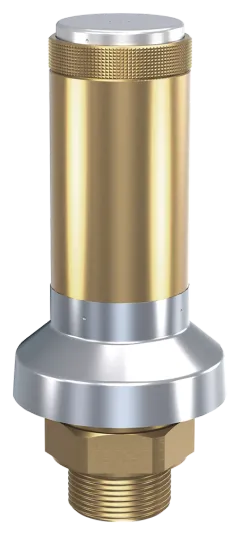
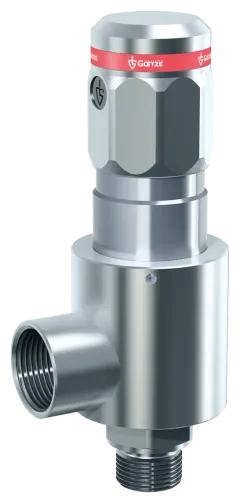
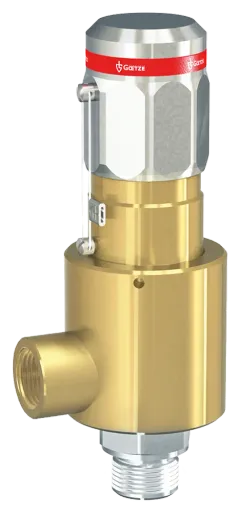
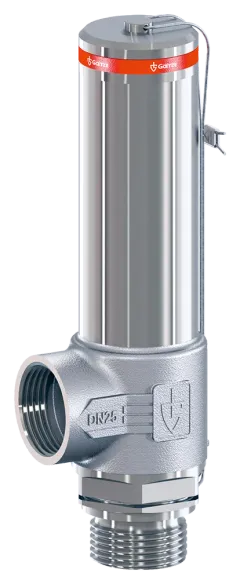
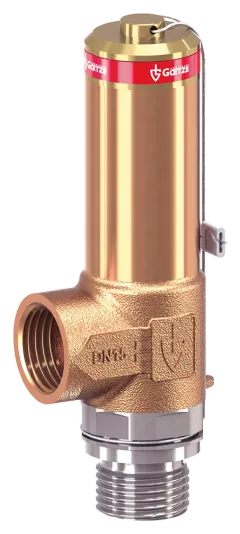
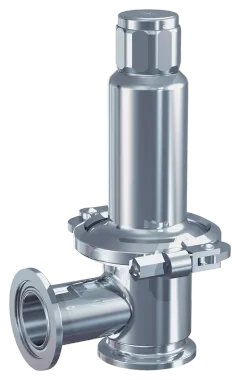
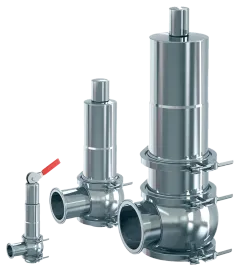
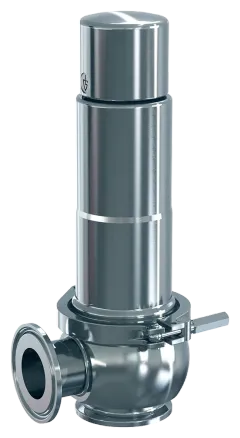
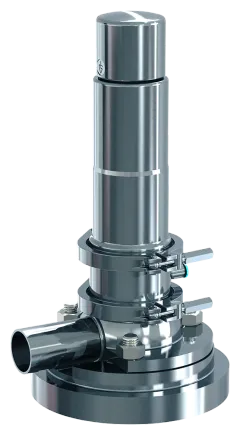
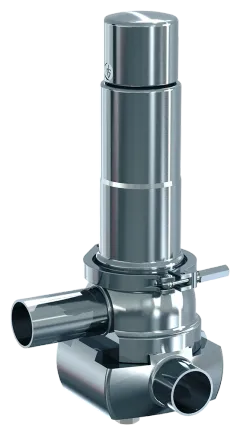
VYC7
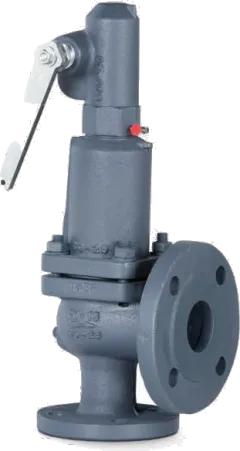
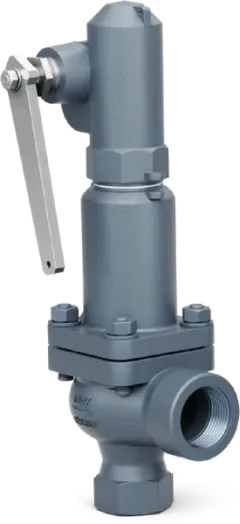
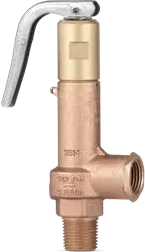
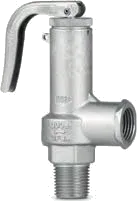
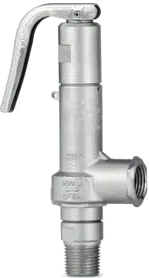
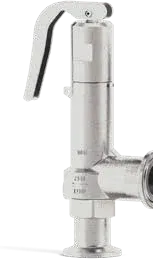
No models match these filters. That does not mean we cannot supply it:
Send us your requirement →Not seeing the size, connection or rating you need? Most of these models are built to order and our suppliers' engineers adapt them. Send us what you have and we work it out. Send us your requirement →
A safety valve is the last line of defence for a pressure vessel, boiler or pipeline: when every control fails, the valve opens at its set pressure and discharges the medium until the pressure is safe again. Ritec sizes, selects and supplies safety valves from Farris Engineering, VYC Industrial and GOETZE for chemical, petrochemical, power, storage and utility plants in Belgium and the Netherlands, and takes care of spare parts and service.
How a safety valve works
In a spring-loaded safety valve a spring holds the disc on the seat. As soon as the process pressure overcomes the spring force, the valve opens. On gas and steam this happens suddenly and fully (pop action); on liquids the valve opens gradually. When the pressure falls to the reseating pressure, a few percent below set pressure, the valve closes again and the process continues. A pilot-operated valve uses the process pressure itself to hold the main valve closed; a small pilot valve controls opening and closing with high accuracy.
Types
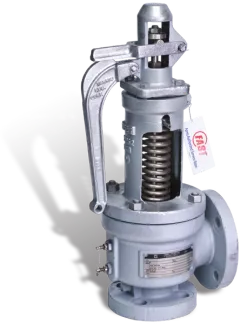
Spring-loaded safety valves are the standard choice for steam, gases and liquids. They are available with open or closed bonnet, with or without lifting lever, and with bellows for duties with back pressure or corrosive discharge.
Pilot-operated safety valves stay perfectly tight up to just below set pressure, are unaffected by back pressure and are available in large sizes with high capacity. They are used in refineries, gas plants and on pressurised storage tanks.
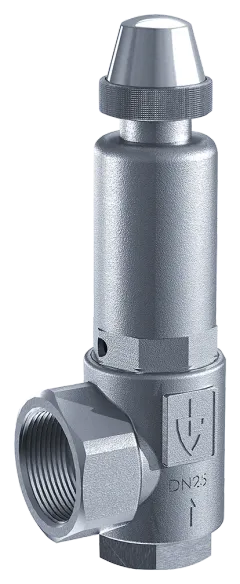
Small safety valves in brass and stainless steel with threaded connections protect compressed air systems, gas distribution, heat exchangers and packaging machinery.
Boiler safety valves for steam to EN 12952 and EN 12953 have full lift and are available in cast steel and cast iron.
Sizing and selection
The right safety valve starts with the governing relief scenario: fire, blocked outlet, control valve failure, thermal expansion or a runaway reaction. We calculate the required capacity to ISO 4126, API 520 and API 521 and select the orifice size, material and accessories from it. An oversized valve chatters and damages its seat; an undersized valve does not protect. The inlet line (maximum 3 percent pressure loss) and the outlet line are checked as well.
Rupture disk and safety valve
For corrosive, sticky or fouling media a rupture disk is installed under the safety valve. The valve stays clean and tight, and maintenance intervals get longer. We size the combination including the capacity factor of the rupture disk.
Standards and certificates
Safety valves are supplied with CE marking under the Pressure Equipment Directive 2014/68/EU (PED), with ASME UV stamp, or both. Every valve comes with a certificate stating the set pressure, test date and materials. On request we supply EN 10204 3.1 material certificates and ATEX declarations.
Spare parts and service
For installed valves we supply original spare parts: nozzles, discs, springs, bellows and gaskets. Photograph the nameplate and add it to your request; we identify the valve and propose the correct parts.
Frequently asked questions
- What is the difference between a safety valve and a relief valve?
- In practice the terms are used interchangeably. Strictly, a safety valve is a valve that opens suddenly and fully on gas or steam, and a relief valve opens proportionally with pressure on liquid service. A safety relief valve does both. European standards speak of safety valves; the American API terminology makes the distinction.
- How is a safety valve sized?
- Sizing determines the required relief capacity from the governing scenario (for example fire, blocked outlet, thermal expansion or control valve failure) and selects the orifice and size from it. This is done to ISO 4126-1, API 520 and API 521, using the physical properties of the medium at relieving conditions. We run these calculations with the manufacturer's selection software.
- What is back pressure and why does it matter?
- Back pressure is the pressure at the valve outlet, either built-up or superimposed. A conventional spring-loaded valve is sensitive to it: the set pressure shifts and capacity drops. For variable back pressure above roughly 10 percent of set pressure, a bellows valve is used, or a pilot-operated valve, which remains unaffected up to high back pressures.
- When should you choose a pilot-operated safety valve?
- A pilot-operated valve is the right choice when the operating pressure is close to the set pressure (95 percent or more), at high back pressures, in large sizes, and where very accurate opening and reseating pressures are required. For most steam and gas duties a spring-loaded valve is the simpler and cheaper option.
- How often does a safety valve need to be tested?
- The test interval follows from legislation, the risk assessment and the service history of the valve. Common intervals are between one and five years. During a test the valve is cleaned, inspected, adjusted to set pressure and tested for tightness. We supply the spare parts and can overhaul the valve together with the manufacturer.
- What information do you need for a quotation?
- The medium and its state (gas, steam, liquid), the set pressure, the required capacity or the governing scenario, the operating pressure and temperature, the back pressure, the connection sizes and flange ratings at inlet and outlet, the material and the required certificates. For a replacement, the nameplate data is enough.